Anni Graf/Getty Images
From the pages of RACER: The Formula 1 season, reimagined
What race fan hasn’t looked at the Formula 1 schedule and thought they could do better? We do it every year, especially as the calendar slips ever further away from “traditional” courses to attend indistinct venues with vanilla layouts and runoff areas that have their own ZIP codes and trigger dull “track limit” debates.
Our dream 2027 F1 schedule contains 18 grands prix. Slashing six rounds not only shortens the season to reduce travel aggravation for team members, it also alleviates the need to have a momentum-killing summer break. In addition, having fewer rounds makes each race more special, and increases the jeopardy of a DNF… which in turn may help driver discipline.
Yes, the choices are pure fantasy: we’ve included tracks that have been reconfigured so comprehensively that their original layouts require memories, books or YouTube quests. But we have some rules: only one race per country, and the venue needs to have featured on F1 calendars past or present, so (sadly), no Phillip Island, Road America or Brno.
One of Formula 1’s priorities should be getting back to the best tracks in the world. Here’s our dream grand prix calendar for 2027.
.jpg)
Buda Mendes/Getty Images
March 13
Interlagos / Brazil
The temptation to go for the original 4.9-mile 26-turn version of the Interlagos course is strong. It was a magnificent and topographically-pleasing venue whose greatness was put into perspective by the Rio de Janeiro course that replaced it in the 1980s. When F1 departed the Rio bland to return to Interlagos in 1990, drivers found a 2.677-mile course that captured the essence of the original while being fast enough that the hugely passionate fans saw their heroes come by every 70 seconds.
Getty Images
March 20
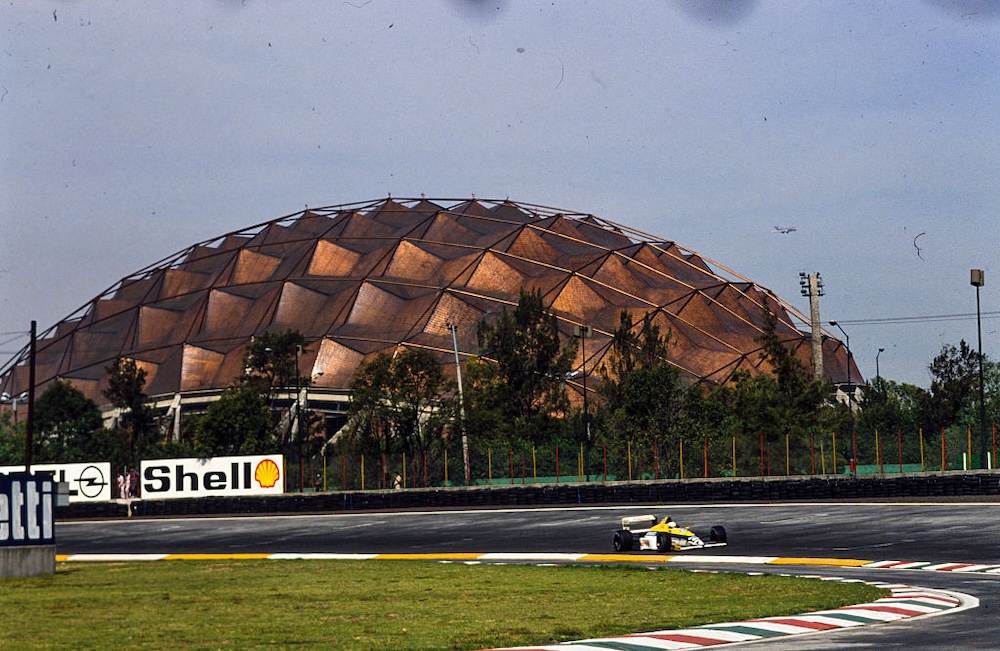
Mexico City (original) / Mexico
The Mexico City course once featured the amazing banked, bumpy and fast 180-degree Peraltada corner connecting the back straight to the pit straight (above), but since the track’s return to the schedule in 2015 after a 23-year hiatus, cars are funneled into a stadium where corner speeds appear to be go-kart level. So let’s go back to the 1986-’92 layout and give drivers and teams a chance to figure out one of F1 history’s most daunting turns.
Getty Images
April 11
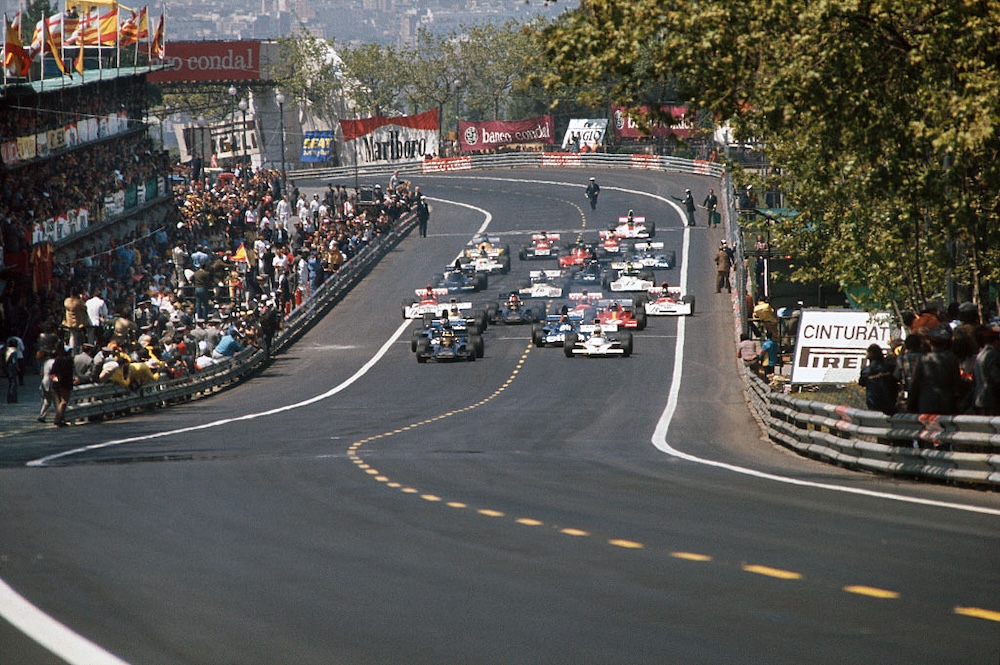
Montjuich Park / Spain
Jarama, Jerez and Barcelona hosted classic editions of the Spanish or Catalunyan GP, that evoke memories of Gilles Villeneuve, Ayrton Senna, Nigel Mansell and… er… Pastor Maldonado. But watching footage from Montjuich Park will convince you it was not only Spain’s finest GP venue, but possibly the greatest street course in F1 history. The organizational fiasco and calamitous crash there in 1975 ensured the track’s fourth GP was its last, but in our world of make believe, the course could be made to reach the safety standards of F1’s current street venues.
Mark Thompson/Getty Images
April 25
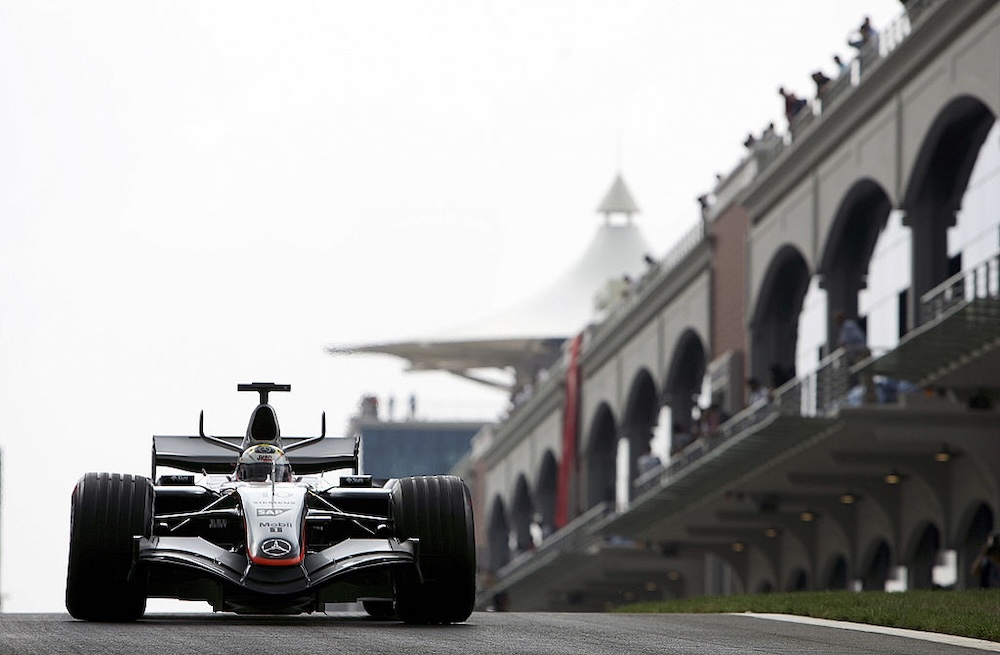
Istanbul Park / Turkey
Formula 1 didn’t really catch light in Turkey, possibly because of ticket prices, possibly because of poor access to the track. But take nothing away from the 3.317-mile 14-turn Istanbul Park track itself which had several notable corners – the dropaway left-hand Turn 1, the four-apex Turn 8, and then the long blast from Turn 9 through 12. Grand Prix racing is returning here in 2027, and we wish the organizers the best of luck.
David Phipps/Getty Images
May 9
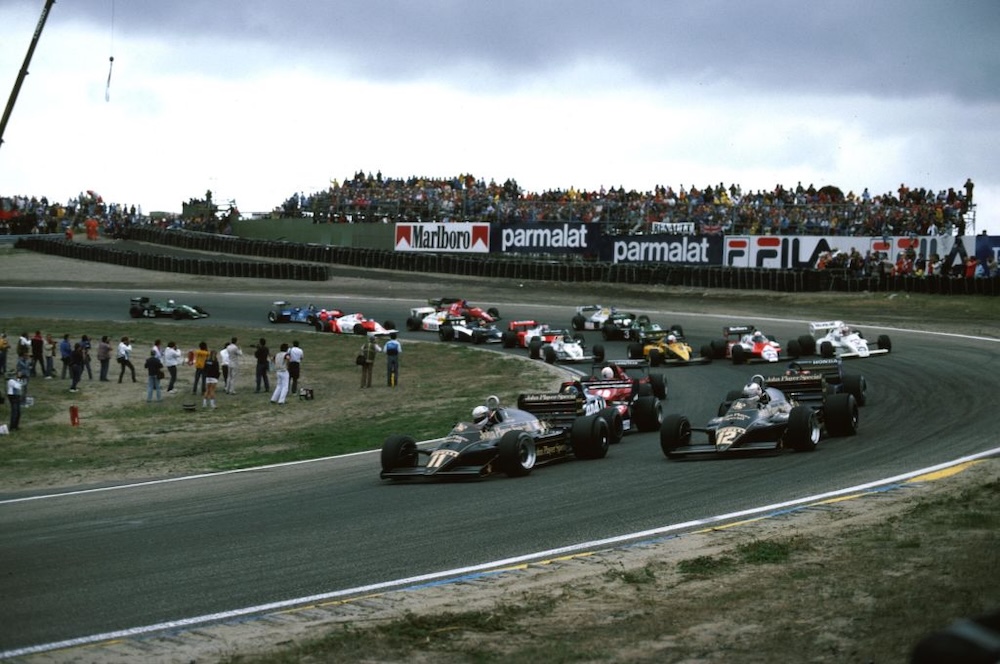
Zandvoort (original) / Netherlands
The original Zandvoort course, designed by John Hugenholtz, first held a Formula 1 race in 1950, and appeared on the World Championship calendar for the first time in ’52. Aesthetically, it was never the prettiest – all sand dunes and beach grass. But as a venue for racing, the original had a perfect blend and order of corners, so that cars with superior handling could match cars with superior power outputs. Heavy revisions for Zandvoort’s return in 2021 eroded that balance, so we’d stick with the 1948-’85 layout.
Peter Fox/Getty Images
May 16
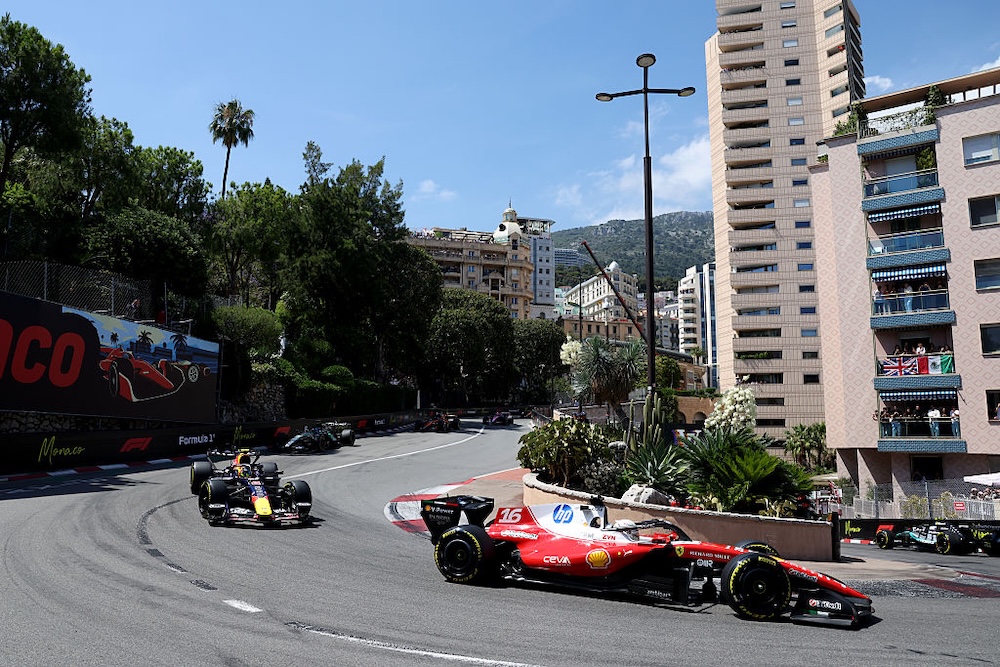
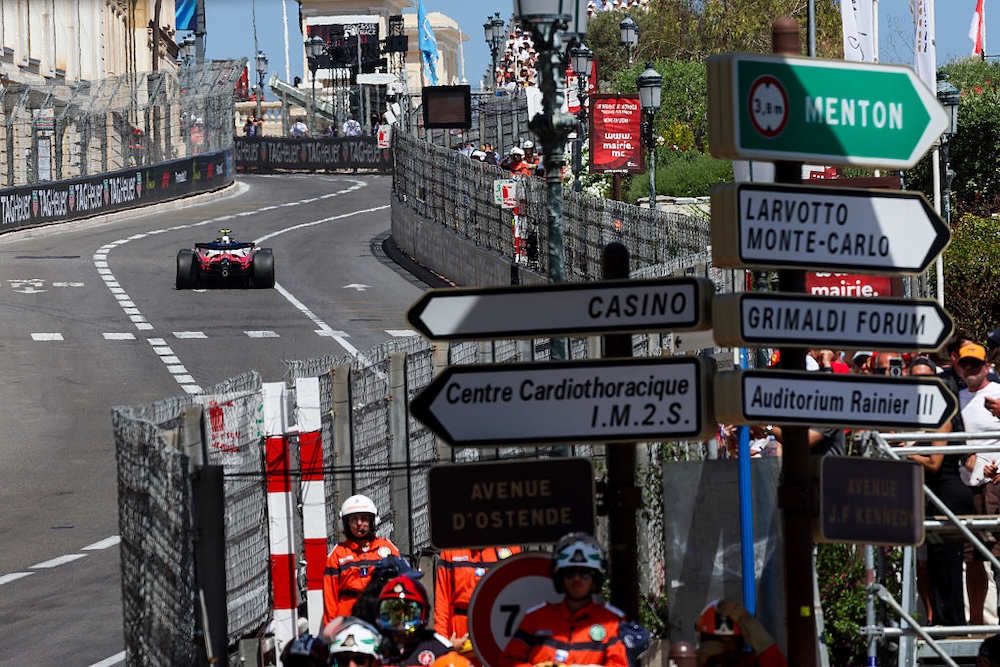
Monte Carlo / Monaco
OK, so the racing at Monaco is rarely good, but it remains a huge challenge for drivers and the fans can get close to the action. Oh, and you’ll notice that in our ideal schedule, the race is held in time to allow any F1 drivers who wish to participate in the Indy 500 the opportunity to fly over and focus on the Speedway for practice, qualifying and the race. Ah, we can dream.
Bryn Lennon/Getty Images
June 6
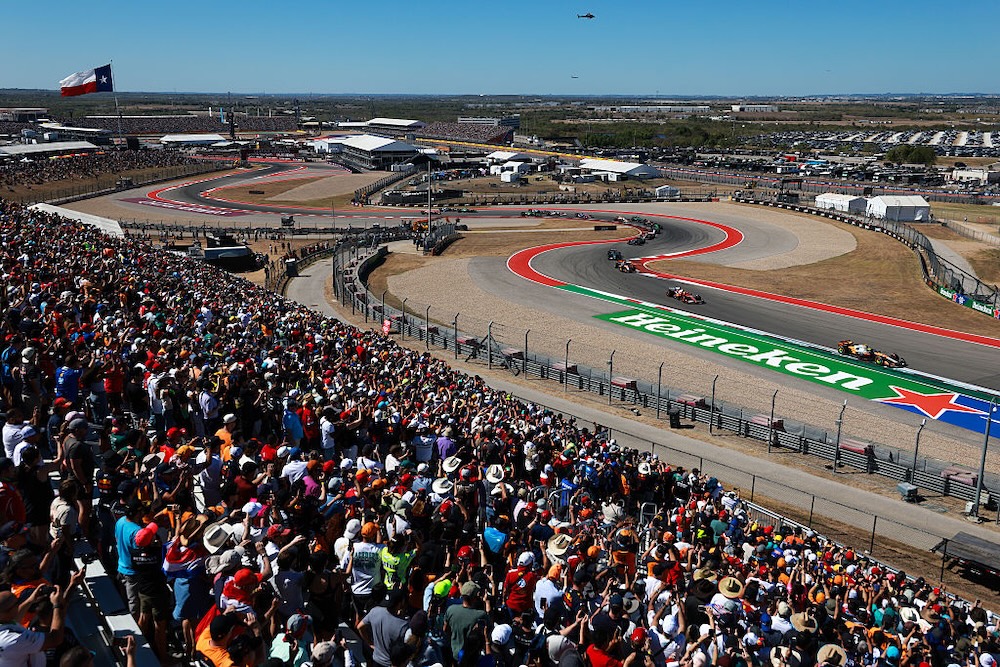
Circuit of The Americas / USA
Along with Istanbul Park and Sepang, this is one of Hermann Tilke’s triumphs. The section at the end of the back straight could be simplified – link Turn 13 to Turn 17 – but there’s much else to relish. There’s an old-school vibe to the Turns 3 to 9 segment, whereby if you start it wrong, you pay all the way through. Turn 12 is a great passing spot, as is Turn 1 because it’s so wide, you can’t block with impunity. Long may this venue thrive.
Minas Panagiotakis/Getty Images
June 13
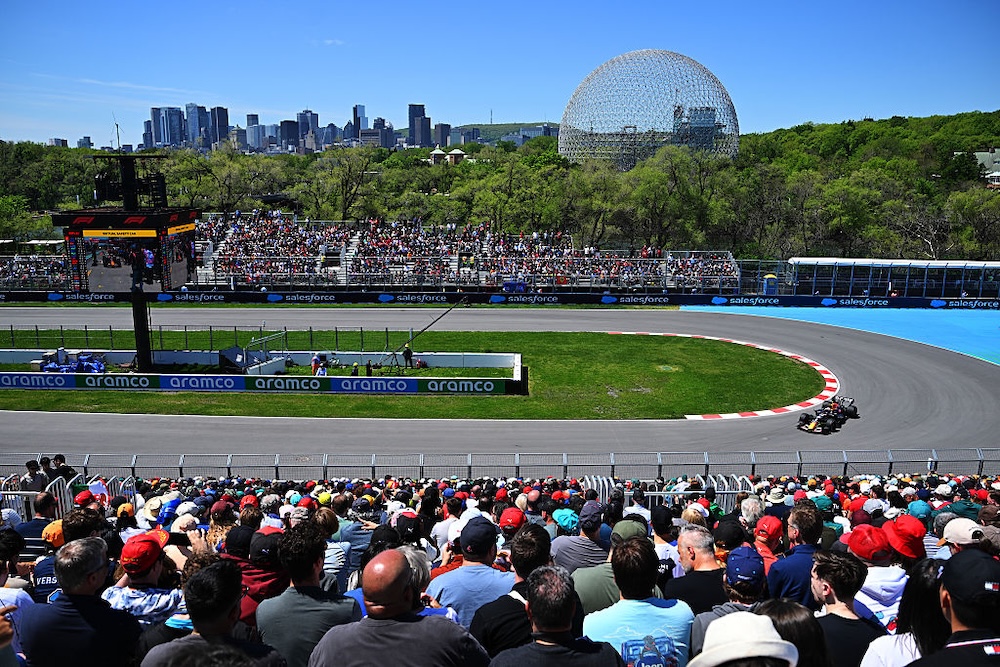
Montreal / Canada
The Ile Notre-Dame Circuit, renamed Circuit Gilles Villeneuve after the Canadian ace’s tragic demise in 1982, was a classic from the start (1978) and remains so to this day, although parts have been sanitized. It doesn’t matter that the start/finish line was moved from just after the famous hairpin to where it is now, but the wall-lined left-right Casino swerve that used to form Turns 1 and 2 was where we could witness commitment of the highest order. Still, it’s a tricky course to master and remains a unique challenge.
David Phipps/Getty Images
July 4
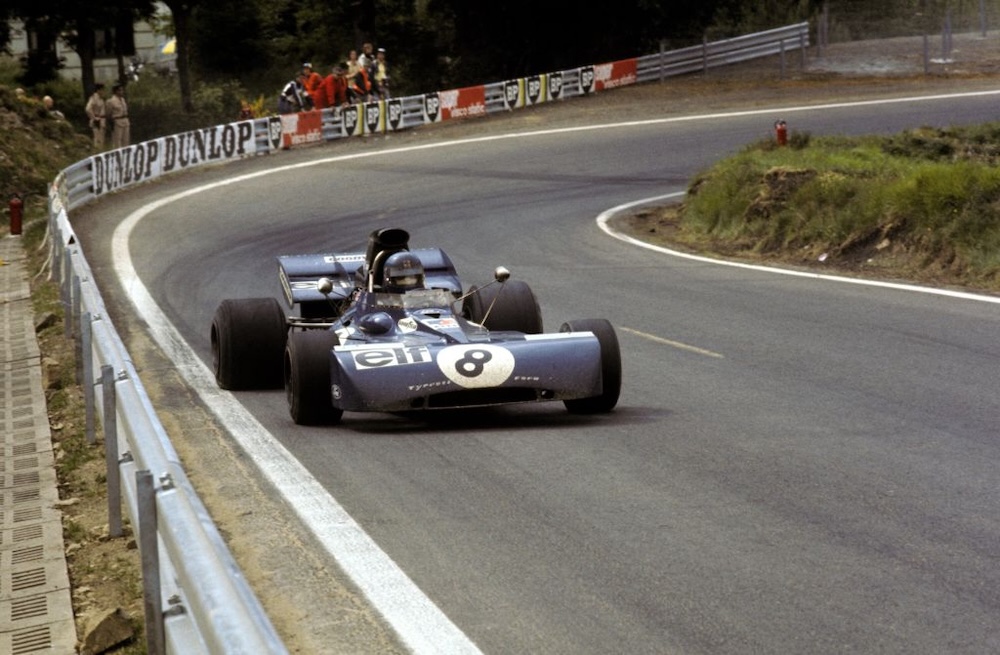
Clermont-Ferrand / France
France is where grand prix racing started so should always be on the F1 schedule. Reims was too simplistic, Rouen was anything but, Dijon was a blast, and Paul Ricard held some classics. But the original five-mile Clermont-Ferrand was like a mini-Nurburgring, incorporating every type of turn among its 48, and it rewarded the greats: its four French GPs were won by Jim Clark, Jackie Stewart (twice) and Jochen Rindt. Even in 18-turn 2.47-mile form as Circuit de Charade, it offers challenges similar to those at Road Atlanta and Suzuka.
Getty Images
July 11
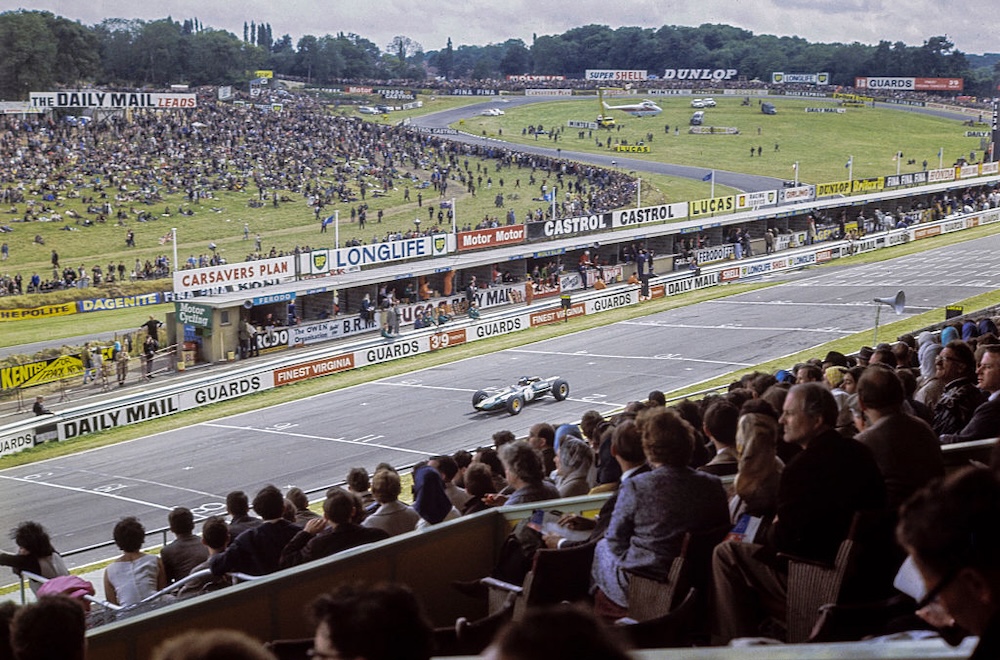
Brands Hatch / Great Britain
From 1964 to ’86, Silverstone used to alternate the British GP with Brands Hatch, but when FISA sought long-term contracts with its tracks, Silverstone got the nod because the infield facilities for the teams were less cramped, and there was more estate for runoff areas. Until 2010, Silverstone was a fine track, before and after its 1991 addition of Bridge corner. But following the last round of mods, we’d prefer to go back to Brands, with its stunning gradients, large variety of corners and excellent viewing facilities.
Getty Images
July 25
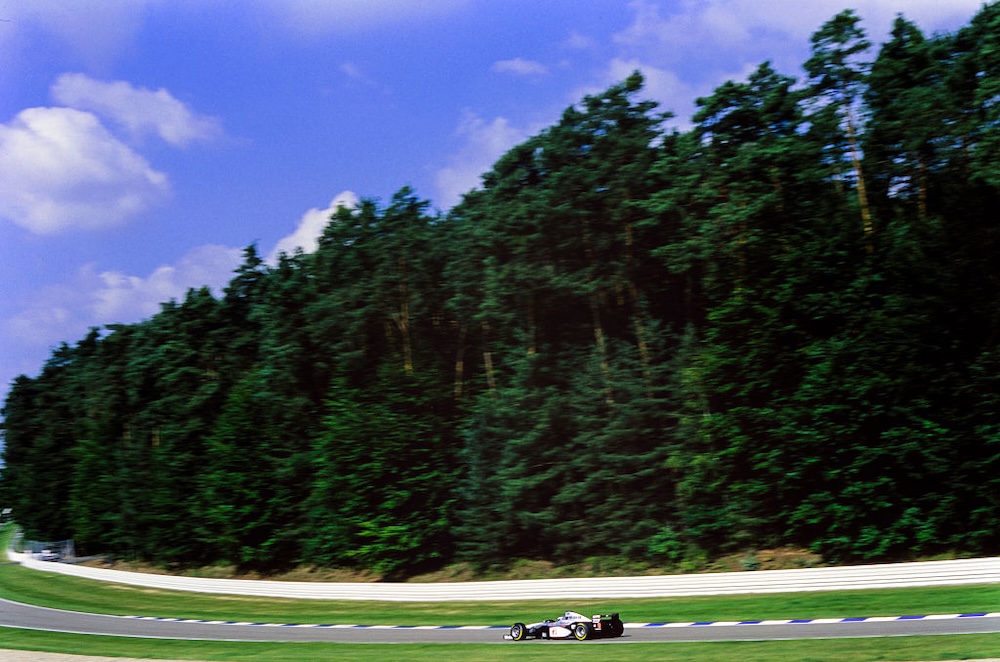
Hockenheim (original) / Germany
Why would we choose any track over the Nürburgring-Nordschleife? Well, if 200 miles remains the rough limit of a grand prix, the ’Ring would feature just 14 laps, which seems unreasonable for fans, considering the price of F1 tickets. Hockenheim was mocked in its 1966-2001 format for being a flat-out blast interrupted by three chicanes plus a stadium section, since it demanded far more engine-builders than drivers. The emaciated 2002 version changed our perspective: the old one was fine.
Mark Sutton/Getty Images
August 1
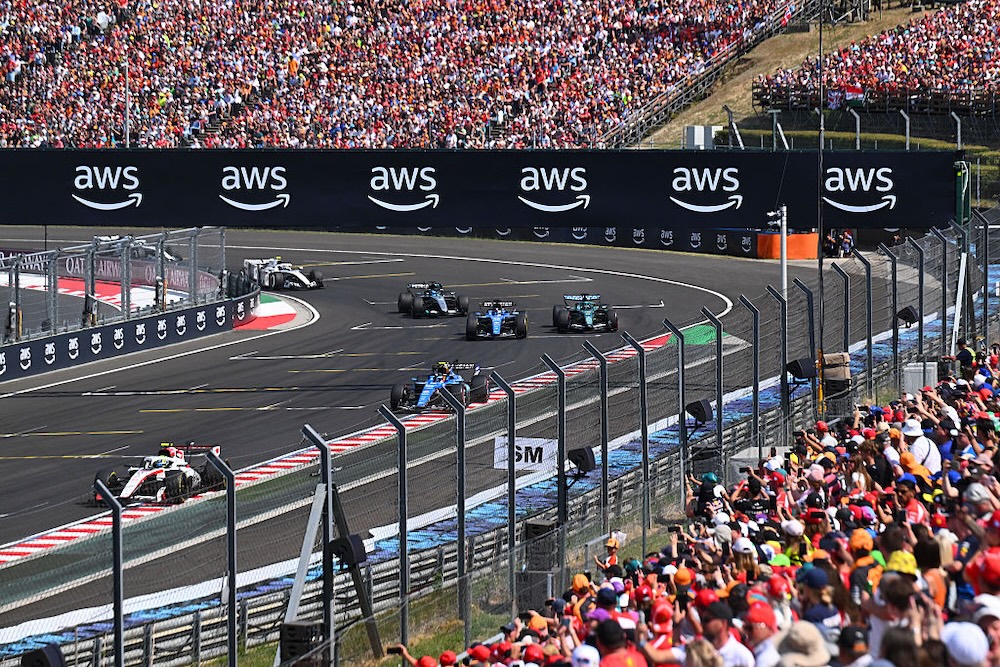
Hungaroring / Hungary
Another once-derided track that is now one of the most intriguing, and its tweaks since its debut on the schedule 40 years ago have helped improve the racing. Like Brands Hatch, the Hungaroring has an amphitheater-like quality to it, but with 14 turns packed into its 2.722 miles. Turns 5, 9 and 11 are particularly challenging. It is still difficult to pass but around 300,000 fans each year prove that the course has earned its place on the F1 calendar.
Rainier Schlegelmilch/Getty Images
August 15
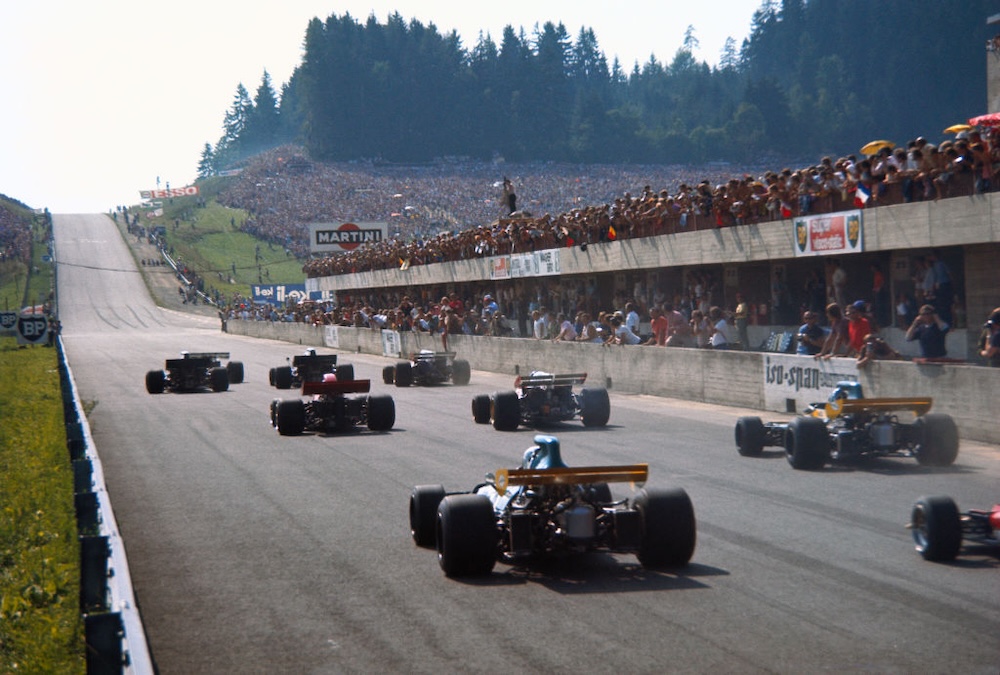
Osterreichring / Austria
Red Bull Ring is still set in the beautiful countryside of Spielberg and includes plentiful gradient change against a backdrop of lush greens in summer, but the track is tragically bland compared with the 160mph 3.7-mile Osterreichring that once soared, swooped and plunged through this magnificent scenery. We’d include the Hella Licht chicane that was added after Mark Donohue’s crash in 1975, but the only change necessary following the two start-line shunts in ’87 was a widening of the pit straight, which would have been easily feasible without butchering the whole course. Grr!
Guido De Bortoli/Getty Images
August 22
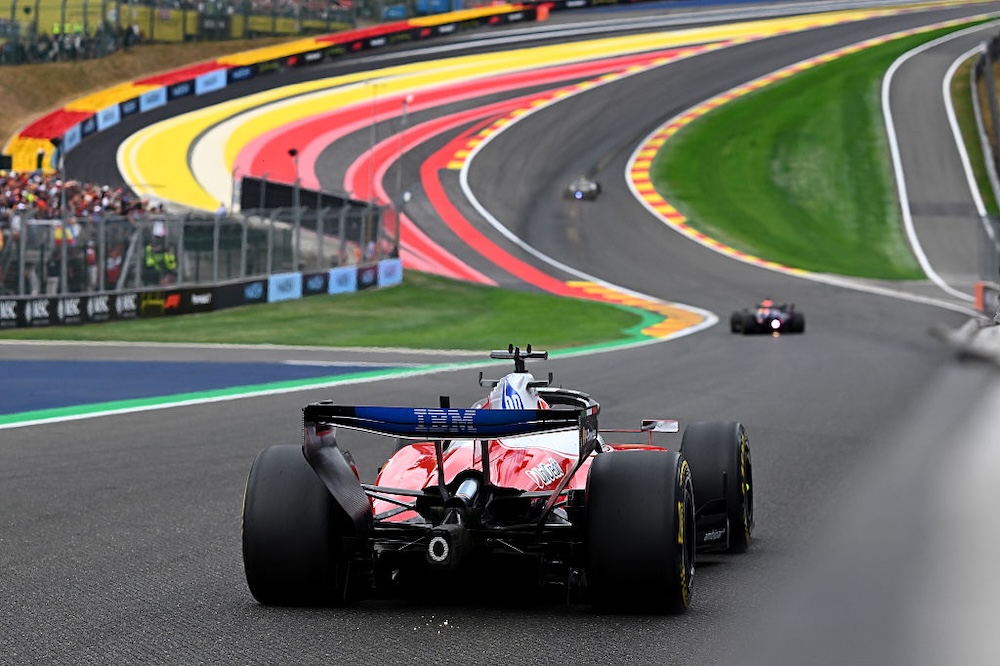
Spa-Francorchamps / Belgium
Spa should be on any F1 schedule, and we’re saddened that the organizers’ latest deal with the FIA is that from 2027, the Belgian GP will alternate with the Barcelona-Catalunya GP. The greatest achievement in Spa’s history was that the ethos of the 8.76-mile course used from 1946 to 1970 was somehow retained when F1 returned in ’83, despite modern safety standards reducing it in length by 50 percent. Eau Rouge, Pouhon, Blanchimont… all demand the best from cars and drivers, yet the track also incorporates many passing places.
Steven Tee/Getty Images
September 5
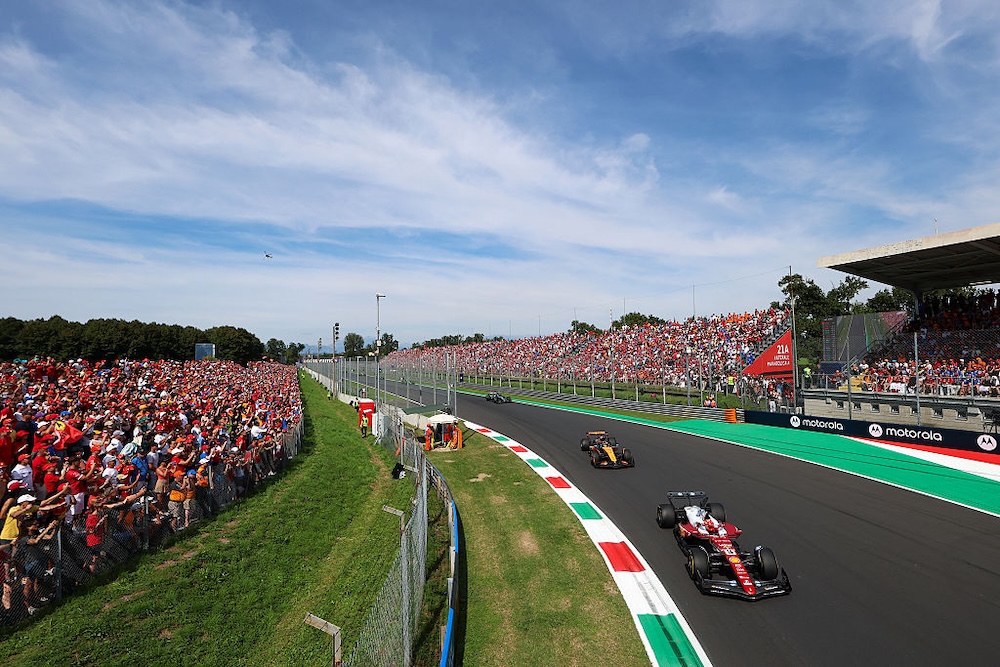
Monza / Italy
Monaco will always be the most glamorous F1’s tracks, but for richness of ambience, nothing beats Monza, especially if Scuderia Ferrari is on or near the pace. Since 1972, chicanes have been added – two at first, then a third from ’76 – ending the unending flow of slipstream battles. But Curva Grande, the Lesmos and Parabolica are still taken at high speed, and the left-right-left of Variante Ascari leading onto the back straight separates the great drivers from the merely good. Now if only we could return to gravel traps all around to punish errors.
Andrew Ferraro/Getty Images
September 26
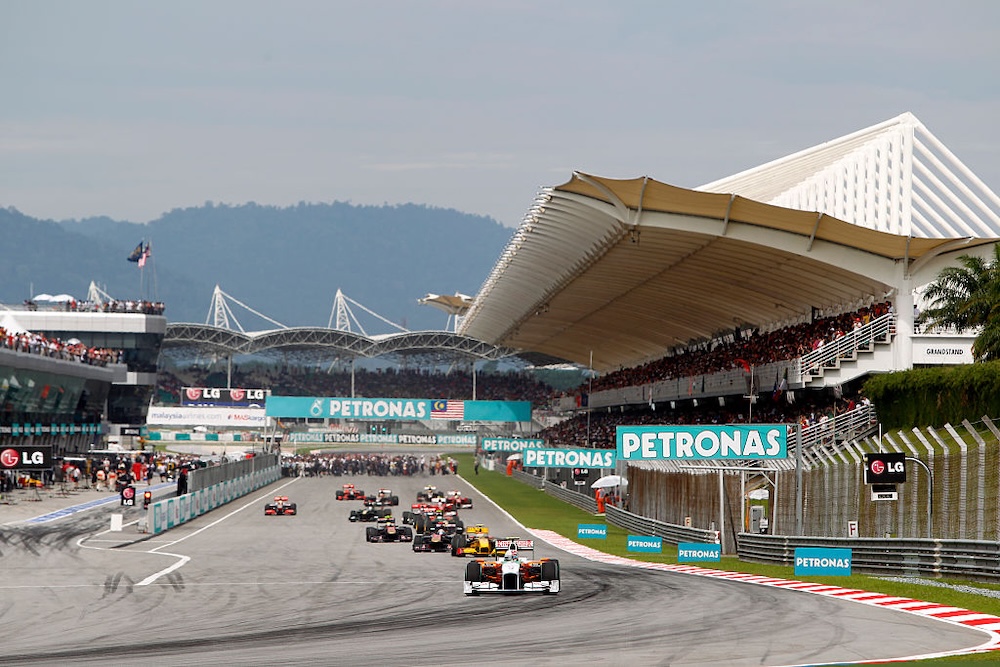
Sepang / Malaysia
Visually appealing and distinctive, Sepang was Hermann Tilke’s first start-from-scratch F1 track and it is gold. Over the course of 19 races there was never a dull one, in dry or wet track conditions. Whether this was due to the two long straights within its 3.44-miles, the width of the turns making it difficult to block without losing time or the fact that 56 laps somehow allowed for varied strategies, we’re not sure. But we are sure we want it back. It’s returning as host for this year’s Bahrain Grand Prix due to the knock-on effects of the Iran War, but it deserves to be a permanent fixture.
Clive Rose/Getty Images
October 3
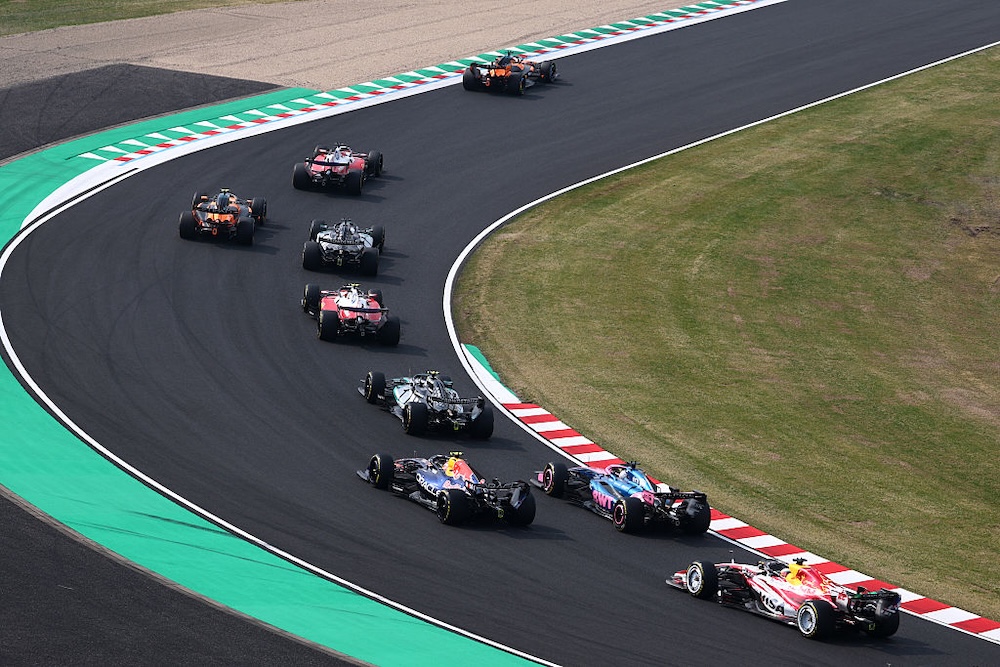
Suzuka / Japan
Honestly, by the standards of today, the Fuji track is quite good. But it could only ever be the poor relation to Suzuka, the track that most F1 drivers would rank in their top three. Another Hugenholtz design, Suzuka contains several fast sweeping turns, and sequences where – as with COTA – if you get one part wrong, you bleed speed all the way through. The consequences for errors are still notable, and while there are only two obvious passing spots, the differences between legends and their less well-endowed teammates is always highlighted here.
Getty Images
October 17
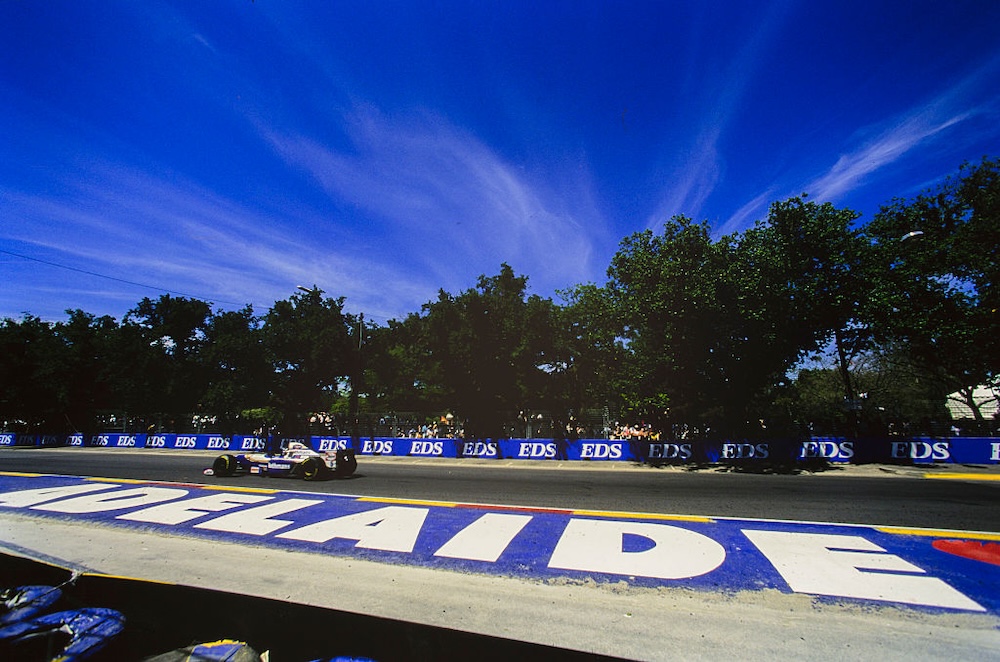
Adelaide / Australia
Melbourne, as used for the Australian GP since 1996, has a couple of tasty corners, but gains kudos just by being the first race of the season. The 2.33-mile Adelaide track was loved as a season-closer, even if the championship was already settled, because it was one of F1’s finest street courses, despite counting four 90-degree turns among its 16. There was plenty of track width to promote passing, cars hit 200mph along the Brabham Straight and there were heavy brake zones. But there were also turns that demanded a driver carry momentum while also using inch-perfect judgment.
Our first reserves for these would be the Singapore street course and Donington Park. But these 18 are our must-haves. What are yours?
CLICK HERE to purchase the new issue of RACER. Get six print issues of RACER Magazine, unlimited digital access to the RACER archive, and 24/7 motorsports streaming on the RACER+ App for one year at only $8.33/month, two years at $7.71/month, or three years at $7.22/month. CLICK HERE and subscribe now.
And for the ultimate motorsports fan experience, join R92, RACER’s all-access membership, for just $99 for one year. You’ll get 24/7 motorsports streaming on the RACER+ app, six print and digital issues of RACER magazine, unlimited digital access to the RACER archive, and exclusive member perks. CLICK HERE.

David Malsher-Lopez
David Malsher-Lopez is editor-at-large for RACER magazine and RACER.com. He has worked for a variety of titles in his 30 years of motorsport coverage, including for Racer Media & Marketing from 2008 through 2015, to which he returned in May 2023. David wrote Will Power’s biography, The Sheer Force of Will Power, in 2015. He doesn’t do Facebook and is incompetent on Instagram, but he does do Twitter – @DavidMalsher – and occasionally regrets it.
Read David Malsher-Lopez's articles
Latest News
Comments
Comments are disabled until you accept Social Networking Cookies. Update cookie preferences
If the dialog doesn't appear, ad-blockers are often the cause; try disabling yours or see our Social Features Support.